Blog
Tongkat Ali: What the Evidence Shows, and Where Jellyblue Sits
Quick answer
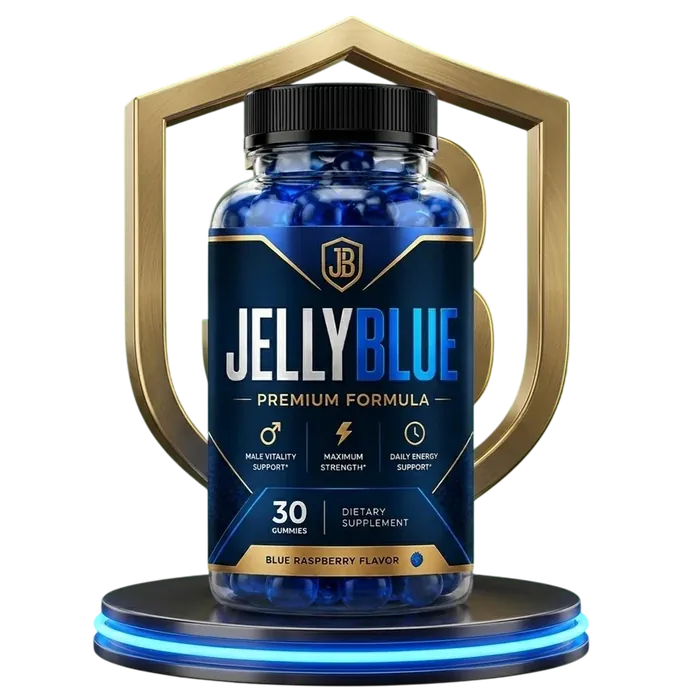
Tongkat ali is a root grown in Malaysia and Indonesia, sold as Eurycoma longifolia or longjack. Studies in people exist, but they are few and small, and no federal agency has summarized them, so the evidence is best called limited. One Jellyblue gummy carries 200 mg of the extract, the largest of the seven amounts on its panel.
Start here
What is tongkat ali?
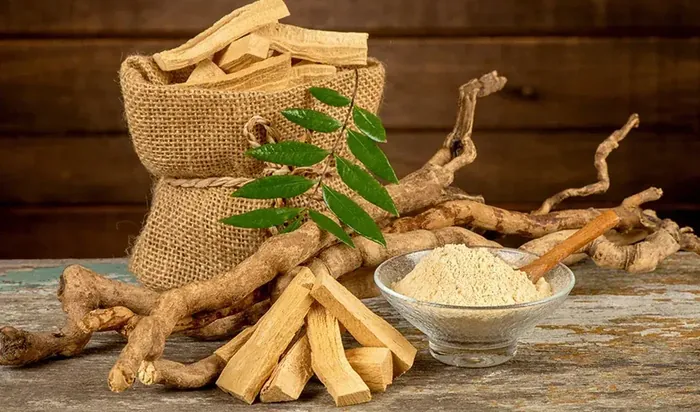
Tongkat ali is the root of a slim tree that grows in the rainforests of Malaysia, Indonesia and Thailand. Sellers write it as longjack, and botanists write it as Eurycoma longifolia.
The root is famously bitter. People in those countries have boiled it into a drink for generations, which is how the supplement trade came to hear of it.
Jellyblue puts 200 mg of tongkat ali extract in each gummy. Of the seven actives on its Supplement Facts panel, that is the biggest figure by a wide margin.
Why does tongkat ali turn up in every men's vitality formula?
Two reasons, and neither of them is a study. The root carries a reputation from its home region, and no company owns it.
An ingredient that is cheap to source, easy to say and hard for a shopper to check makes a strong front panel. That is a marketing fact rather than a scientific one.
Jellyblue follows the pattern exactly. Tongkat ali leads the sales page and the panel, with maca, ashwagandha, horny goat weed, beet root, grape seed and L-arginine behind it.
What does the human research on tongkat ali actually show?
Less than the packaging implies. Trials in people have been run, they were small, and no authority has pooled them into a verdict.
That last part deserves attention. NIH and NCCIH write plain-language summaries for ingredients with enough research to summarize, and neither has written one for this root.
| What a buyer wants to know | What is published | How to read that |
|---|---|---|
| Does it lift energy? | A handful of small trials, run by different teams on different extracts | Suggestive at most. Nothing here settles the question |
| Does it help drive or performance? | Short studies with small numbers of volunteers in each | Interesting to researchers, unsettled for buyers |
| Is there a federal fact sheet? | None from NIH or NCCIH, the two bodies that write them | Reviewers found too little to summarize in plain language |
| Has this gummy been studied? | No published research on the finished seven-active formula | A mixture is its own question, and nobody has asked it |
| Is one extract the same as the next? | Extracts are made in different ways from different parts of the root | Two labels reading 200 mg may hold different material |
How does Jellyblue's 200 mg compare with what trials have used?
It falls roughly inside the range those small trials worked with. That makes tongkat ali the one active in this gummy you can line up against research at all.
The comparison stops quickly, though. A trial describes its extract in detail, and a gummy label prints a plant name and a weight.
- 200 mgtongkat ali extract per gummy
- 650 mgall seven actives combined
- 1gummy a day, per the label
- 30gummies in a bottle
| What a published trial records | What the Jellyblue panel records |
|---|---|
| The extract ratio, so you know how much root made a gram | Extract, with no ratio printed |
| What the extract was standardized to | No standardization printed |
| How long volunteers took it | One gummy a day, with no length suggested |
| Who took part, and how many | No study of this product exists to describe |
| What was measured, and with which tool | Support wording, in the language labels are allowed |
So the amount is in the right neighborhood and the description is thin. Both statements are true, and a buyer is entitled to hear them together.
What sits beside tongkat ali in the same gummy?
Six more actives share the 650 mg. Their research records differ from tongkat ali's and from each other's, which is easy to miss when they are printed in one column.
- Maca, 100 mg. A systematic review of maca for sexual function found the evidence too limited to judge (Shin et al., 2010), and the studies it looked at used 1.5 to 3 g a day
- Ashwagandha, 100 mg. Human data runs two to four months, usually at 300 to 600 mg, and rare liver injury has been reported (NCCIH, 2023)
- Horny goat weed, 100 mg. Little human research and no federal fact sheet, the same gap tongkat ali has
- Grape seed, 50 mg. Studied for blood pressure and cholesterol with small effects, usually at 100 to 300 mg (NCCIH, 2025)
- Beet root and L-arginine, 50 mg each. Blood-flow work uses concentrated beet juice and grams of arginine (NIH ODS)
Read down that list and a pattern appears. The two ingredients with the thinnest human evidence carry the two largest amounts.
What does a 200 mg line leave out?
More than most shoppers expect. A weight tells you how much material went in, and nothing about what that material is.
- The extract ratio, which sets how much raw root a gram represents
- Whether the extract is standardized to any marker compound
- Which part of the plant was used, and where it was grown
- Whether an independent laboratory checked this batch
Lot JEL-26/JE-2675 and CoA JEL-2675-26-JE are printed as reference codes. The batch page explains what they settle, which is less than the word certificate suggests.
What should you raise with a doctor first?
Three of the seven actives here interact with common medicines. Take the list below to whoever manages your prescriptions.
- Ashwagandha may interact with thyroid medicine (NCCIH, 2023)
- Grape seed may add to the effect of blood thinners (NCCIH, 2025)
- Arginine and beet root both act on blood flow, which matters on nitrate or blood-pressure medicine
One more risk belongs to this category rather than to this product. FDA keeps publishing lists of men's products found to contain undeclared prescription drugs (FDA, 2026), most of them sold through marketplaces and short-lived storefronts.
Is tongkat ali worth it at this amount?
That depends on what you expect from a limited evidence base. The honest position is a shrug with numbers attached, and Jellyblue at least supplies the numbers.
Pros
- 200 mg is printed, not hidden in a blend
- The amount is near what small trials have used
- The rest of the panel is printed the same way
- A 60-day money-back window covers the purchase
Cons
- Human trials are small and have not been pooled
- No NIH or NCCIH fact sheet exists for the root
- No extract ratio or standardization is published
- The finished formula has never been studied
If you want the full picture of the panel, the ingredients page walks each active through its own evidence, and the milligrams post explains why the printed figure matters more than the length of the list.
Tongkat ali questions, answered plainly
Is tongkat ali the same thing as longjack?
Yes. Longjack is the common trade name for Eurycoma longifolia, and Malaysian ginseng is a third name for the same root. All three appear on supplement labels.
Why does this article cite nothing for tongkat ali?
Because there is nothing federal to cite. NIH and NCCIH publish fact sheets on maca, ashwagandha and grape seed, and neither has published one on this root. Citing a seller's page instead would be circular.
Is 200 mg of tongkat ali a strong amount?
It sits roughly inside the range that small published trials have worked with, which is more than can be said for most actives in this gummy. Strong is not the right word for any of them.
Does tongkat ali raise testosterone?
No hormone claim is published on the Jellyblue label, and this site makes none. The label wording is male vitality support, and a supplement is not permitted to promise a hormonal result.
How long would someone need to take it?
The label suggests one gummy a day and prints no length. No timeline is promised here, because none has been established for this product.
Can tongkat ali replace a prescription?
No. Erection or drive problems can be an early sign of heart disease or diabetes, so the first move is a medical appointment rather than a gummy.
Does the Jellyblue extract say which part of the root it came from?
No. The panel prints the plant name, the Latin name and 200 mg. Extract ratio, plant part and standardization are all absent, which is normal for this aisle and still a gap.
Where can I read the rest of the panel?
The full transcription sits on the Supplement Facts page, with all seven actives and the other-ingredients line.
References
- U.S. Food and Drug Administration (2026). Tainted Sexual Enhancement Products.
- National Center for Complementary and Integrative Health (2023). Ashwagandha: Usefulness and Safety.
- National Center for Complementary and Integrative Health (2025). Grape Seed Extract: Usefulness and Safety.
- NIH Office of Dietary Supplements (accessed 2026). Dietary Supplements for Exercise and Athletic Performance.
- Shin BC, Lee MS, Yang EJ, Lim HS, Ernst E (2010). Maca (L. meyenii) for improving sexual function: a systematic review, in BMC Complementary and Alternative Medicine 10:44.
Ready when you are
Order Jellyblue from the authorized outlet
Packs of 1, 2, 3 or 6 bottles, 30 gummies each, priced on the secure order page. Every order has a 60-day money-back guarantee. Questions first? The contact page lists every desk.

Keep reading
Jellyblue Ingredients
All seven named actives, their milligrams, and the one the sales page leaves out.
Read →The productJellyblue Supplement Facts
The whole label panel typed out: nutrition rows, actives, other ingredients and the distributor block.
Read →LabelsWhy milligrams matter more than ingredient lists
Six names on a graphic prove nothing. Seven numbers on a panel let you check the claim yourself.
Read →