Testing & quality
Jellyblue Testing and Quality: Every Seal Explained
Quick answer
Jellyblue carries seals for an FDA-registered facility, GMP, US manufacture, non-GMO status, several free-from claims, doctor development and a refund window. A registered facility is not an FDA-approved product. No allergen statement is published, so the free-from seals are claims only, and no doctor is named behind the formula.
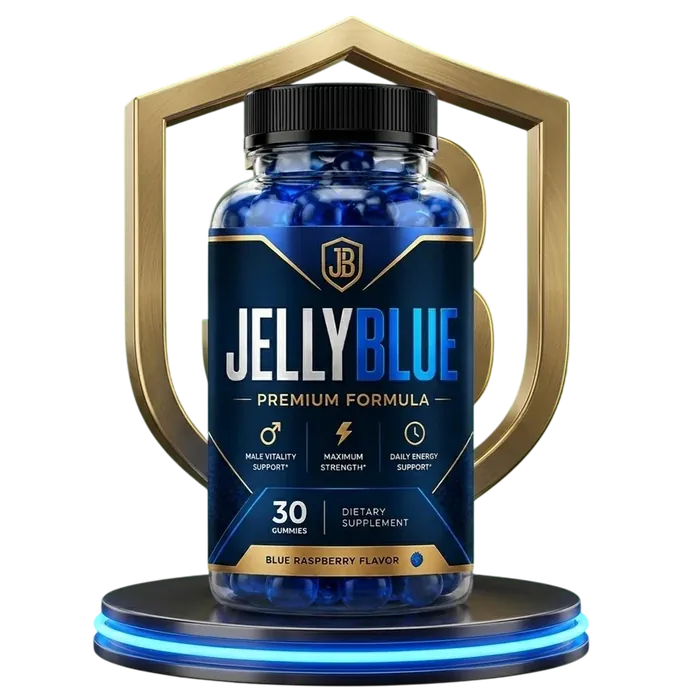
Start here
What are the seals on the Jellyblue pack?
A row of roundels on the sales page, covering the facility, the process, the origin and the ingredient list. They are drawings that describe claims, not test results for the bottle you receive.
Describing them is useful; endorsing them is not, because no certifier, audit date or certificate number is published for any one of them.
 FDA-registered facility
 GMP practices
 Manufactured in USA
 Natural ingredients
 Non-GMO
 Naturally gluten-free
 Dairy-free
 Vegetarian
 Doctor developed
 Guaranteed pure
 60-day money-back
Is Jellyblue FDA approved?
No, and neither is any other dietary supplement. FDA does not approve supplements before they go on sale. The agency's role is to act after a problem appears.
The seal says FDA-registered facility, which is a different thing. Registration means a manufacturing site has told FDA it exists and what it does.
Pros
- The facility is on a federal register, which is a real administrative step
- The label carries the required disclaimer rather than hiding it
- US manufacture with globally sourced ingredients is stated openly
Cons
- Registration involves no inspection of this formula
- It is not an approval, an endorsement or a safety review
- No registration number is published for anyone to check
The footer of every page on this site carries the required wording: These statements have not been evaluated by the Food and Drug Administration. This product is not intended to diagnose, treat, cure, or prevent any disease. Read the seal against that sentence rather than instead of it.
What does each Jellyblue seal actually claim?
The table takes them one at a time. The middle column is the claim being made; the right-hand column is what the seal leaves open.
| Seal | What it claims | What it does not tell you |
|---|---|---|
| FDA-registered facility | The plant is on FDA's facility register | Registration is a listing, not an approval, and it is not a review of this formula |
| GMP | Good Manufacturing Practice, a set of process rules | No certifying body, audit date or certificate number is published |
| Made in USA | Manufactured in the USA with globally sourced ingredients | Where a thing is made says nothing about what was measured in it |
| All natural | A marketing description of the ingredient list | The phrase has no fixed legal meaning for supplements |
| Non-GMO | A claim that the inputs are not genetically modified | No verifying program is named on the pack or the sales page |
| Gluten-free | A free-from claim on the sales page | Allergen statement: not published, so nothing on the pack confirms it for you |
| Dairy-free | A free-from claim on the sales page | Same gap: the label carries no allergen line to check it against |
| Vegetarian | A claim about the ingredient sources | Gelatin is not in the other-ingredients line, but no certifier is named |
| Doctor developed | A claim that a physician shaped the formula | No doctor is named, and no license number or specialty is published |
| Guaranteed pure | A word used on a roundel | Purity is a measurement, and no measurement is published for this product |
| 60-day money-back | A description of the refund policy | A purchase term, not a quality result |
Read down the right-hand column and a pattern appears: nearly every seal would be checkable if a certifier or a document were named. None is.
Why are the Jellyblue free-from seals claims only?
Because the label carries no allergen statement. Allergen statement: not published, so there is no printed line to hold the gluten-free, dairy-free and vegetarian roundels against.
That gap matters more for some readers than others. A person avoiding gluten by preference and a person with coeliac disease are not in the same position when a pack says nothing.
- No 'contains' line naming the major allergens
- No 'may contain' line about shared equipment
- No certifying program named for gluten-free or vegetarian status
- No threshold stated, so free-from has no number behind it
What the label does publish is the other-ingredients line: cane sugar, glucose syrup, water, pectin, citric acid, sodium citrate, natural flavor, natural coloring, starch. If an allergy is part of your decision, call the order desk and ask before ordering rather than after the parcel lands.
What does 'doctor developed' mean on Jellyblue?
On this product it means a phrase and a picture. No physician is named anywhere, and no license number, specialty or institution is published to go with the claim.
An unnamed expert cannot be checked, cannot be asked a question and cannot be held to anything. That is the whole reason names and credentials are published elsewhere in medicine.
The photograph gets its own treatment on the reviews page.
What quality evidence does Jellyblue actually have?
One genuinely good thing, and it is not a seal. The label publishes a real amount for every active, which most gummies in this category do not.
Seven actives, seven milligram figures, adding up to 650 mg per gummy. That is a buyer being told what they are getting, and it deserves more credit than any roundel on the pack.
| Quality question | Status | Detail |
|---|---|---|
| Amount per active | Published | All seven actives carry milligrams on the label panel |
| Serving size and count | Published | 1 gummy, 30 per bottle |
| Other ingredients | Published | Cane sugar, glucose syrup, water, pectin, citric acid, sodium citrate, natural flavor, natural coloring, starch |
| Allergen statement | not published | Which is why the free-from seals cannot be checked |
| Laboratory report | not published | No certificate of analysis is published for any batch |
| Research on the finished formula | not published | The seven actives have their own literature; the gummy does not |
| Certifier for any seal | not published | No program, auditor or certificate number is named |
Set against that, the amounts are modest next to the research, and FDA keeps finding undeclared prescription drugs in men's products sold online (FDA, 2026). Buy through the authorized route, and read the ingredients page for how each figure compares with the doses used in studies.
How do you judge a supplement's quality claims yourself?
With four habits that work on any pack in any shop. None of them requires a laboratory or a subscription.
Read the panel before the front
The Supplement Facts panel is regulated wording. The front of the pack is advertising, and the two are written by different rules.
Ask who checked each seal
A certifier that can be named can be looked up. A seal with no certifier is a graphic.
Compare amounts with published doses
Government fact sheets give the ranges used in research, such as the NIH page on supplements for exercise and performance (NIH ODS).
Treat silence as information
A missing allergen line, lab report or name is itself a fact about a product.
Applied here they produce a mixed picture rather than a verdict: an honest panel, thin documentation and several claims nobody can check.
What is still unpublished about Jellyblue quality?
Naming the gaps is the last useful thing this page can do. These are the documents a careful buyer would want and cannot get.
- A certificate of analysis for any batch
- The name of the manufacturing facility, or its registration number
- Which body, if any, audits the GMP claim
- An allergen statement, or a shared-equipment note
- The name and credentials of the doctor behind the formula
- Any study on the finished gummy rather than its separate ingredients
None of that makes the seals false. It makes them unverifiable, which is a different and more honest word. The batch page covers what to check on the bottle itself.
Jellyblue quality seals: questions worth asking
Is Jellyblue FDA approved?
No dietary supplement is. FDA does not approve supplements before sale. The seal on the pack refers to a facility being registered with FDA, which is an administrative listing rather than a judgment about this product.
What does the GMP seal on Jellyblue mean?
It points at Good Manufacturing Practice, a set of rules about how a plant runs. No certifying body, audit date or certificate number is published here, so the seal describes an intention rather than a document you can look up.
Is Jellyblue gluten-free and dairy-free?
Those seals appear on the sales page, but allergen statement: not published. With no allergen line on the label to check them against, they stay seal claims. Anyone with a diagnosed allergy should ask the desk before ordering.
Which doctor developed Jellyblue?
None is named. The sales page shows the phrase and a person in a white coat, with no name, license number or specialty published for either. This site treats an unnamed credential as no credential.
Has Jellyblue been tested in a laboratory?
No laboratory report is published, for any batch. The batch page explains why a lot number and a CoA reference are matching labels rather than results.
Is the formula vegetarian?
The other-ingredients line does not list gelatin, which is the usual sticking point for a gummy. No certifying program is named, so the seal rests on the ingredient list rather than on an audit.
Does 'all natural' mean anything on a label?
Very little. The phrase has no fixed legal definition for supplements, and cane sugar and glucose syrup are natural in exactly the same sense that a botanical extract is.
What is the strongest quality signal Jellyblue actually has?
The label panel. Every one of the seven actives carries a real milligram figure instead of hiding inside a proprietary blend, which is unusual in this category and more useful than any roundel.
References
- U.S. Food and Drug Administration (2026). Tainted Sexual Enhancement Products.
- NIH Office of Dietary Supplements (accessed 2026). Dietary Supplements for Exercise and Athletic Performance.
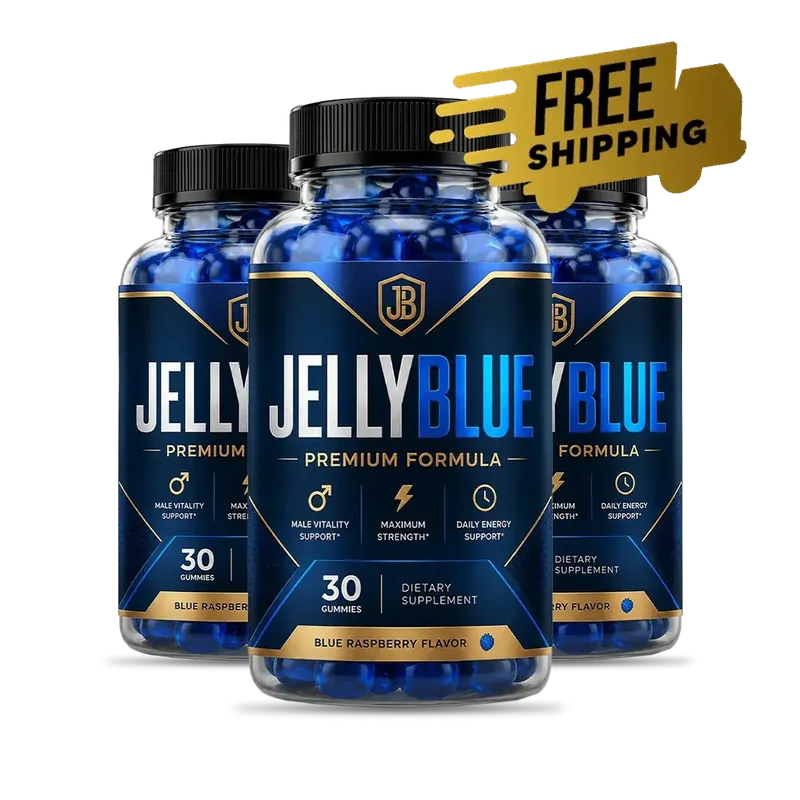
Ready when you are
Order Jellyblue from the authorized outlet
Packs of 1, 2, 3 or 6 bottles, 30 gummies each, priced on the secure order page. Every order has a 60-day money-back guarantee. Questions first? The contact page lists every desk.

Keep reading
Jellyblue Batch Verify
What the lot and CoA numbers really are, and the checks to run the minute a bottle lands.
Read →The productJellyblue Supplement Facts
The whole label panel typed out: nutrition rows, actives, other ingredients and the distributor block.
Read →The productJellyblue Ingredients
All seven named actives, their milligrams, and the one the sales page leaves out.
Read →